Figures, dates and what the operator wants up front
- The figure
- from $2,410 per person
- Nights
- 11
- Season
- September to November, March to May
- At reservation
- 25 per cent at reservation
The operating company asks for a quarter of the figure when the reservation is placed, and the balance forty five days before departure.
Fixed departures
- 26 September to 7 October 2027
- 5 to 16 November 2027
- 10 to 21 April 2028
These are dates, not a range to slide around. A departure with no date attached is a different kind of contract altogether and this office does not write those.
Inside the figure
- Eleven nights in guesthouses and two family homestays, two sharing
- Breakfast every day and seven evening meals
- A vehicle and driver for the whole loop
- A guide from Ha Giang province throughout
- Three market mornings and all site entry fees
Left out
- Air travel to and from Vietnam, which this office does not arrange
- Any border area permit required at the time you travel
- Lunches, drinks and personal spending
- Travel insurance, which this office neither sells nor advises on
How the road got there, and who cut it
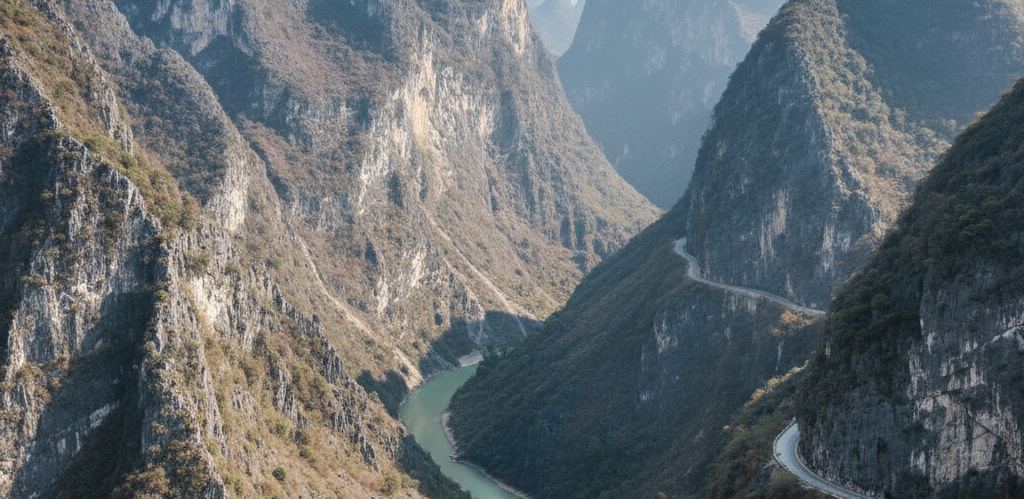
A road trip on the Ha Giang loop is a trip on one specific piece of engineering. The route from Ha Giang to Meo Vac was cut between 1959 and 1965. It was built largely by hand, by several thousand young volunteers from the northern provinces. The stretch across Ma Pi Leng took eleven months on its own. Workers were let down the cliff on ropes. They cut ledges wide enough to stand on, then widened them.
You can see the method from the roadside. The cut face is irregular. It follows weaknesses in the limestone rather than a survey line. Below the pass the drop is close to eight hundred meters, down to the Nho Que river.
It is paved now and busy in the middle of the day. It is still narrow, and in several places there is nothing between the edge and the drop but a line of low concrete posts.
Markets that slide one day earlier each week
Most markets up here run on a weekly cycle tied to a weekday. Dong Van and Meo Vac both hold theirs on Sunday morning, and both are finished by about eleven. Sa Phin runs on a different system. Its market works on a six day cycle, so it lands one weekday earlier each week and moves backward through the calendar all year.
That sounds like a curiosity. It is actually the reason the itinerary is shaped the way it is. The operator sets each departure so three market mornings fall inside the nights. Which three depends on the month you travel.
Markets here are for buying and selling, not for visitors. People come in from villages hours away on foot. They sell one animal or a sack of something. Then they buy salt, thread and tools and go home. Stand out of the way at the animal end and watch the haggling. Nobody will mind you being there.
Fog can take the pass for a whole day
The plateau sits between about a thousand and sixteen hundred meters, and cloud sits on it. In March, and again in late October, the pass can sit inside cloud from dawn to dark. The view across to the river is simply not there. Nobody can schedule around that. If it happens on your Ma Pi Leng day, the operator tries again on the way back. Sometimes that is not possible either.
Two other honest points. Most people do this loop on a motorbike. The crash rate is high, particularly in wet weather on the descents. This trip uses a vehicle and a driver instead. That is slower, and much less interesting to talk about afterward.
Winter mornings in Dong Van drop close to freezing. Buildings up here are not heated. In December and January that matters more than rain does. It is one reason the departures sit in fall and spring.
Look at the soil in the rock pockets
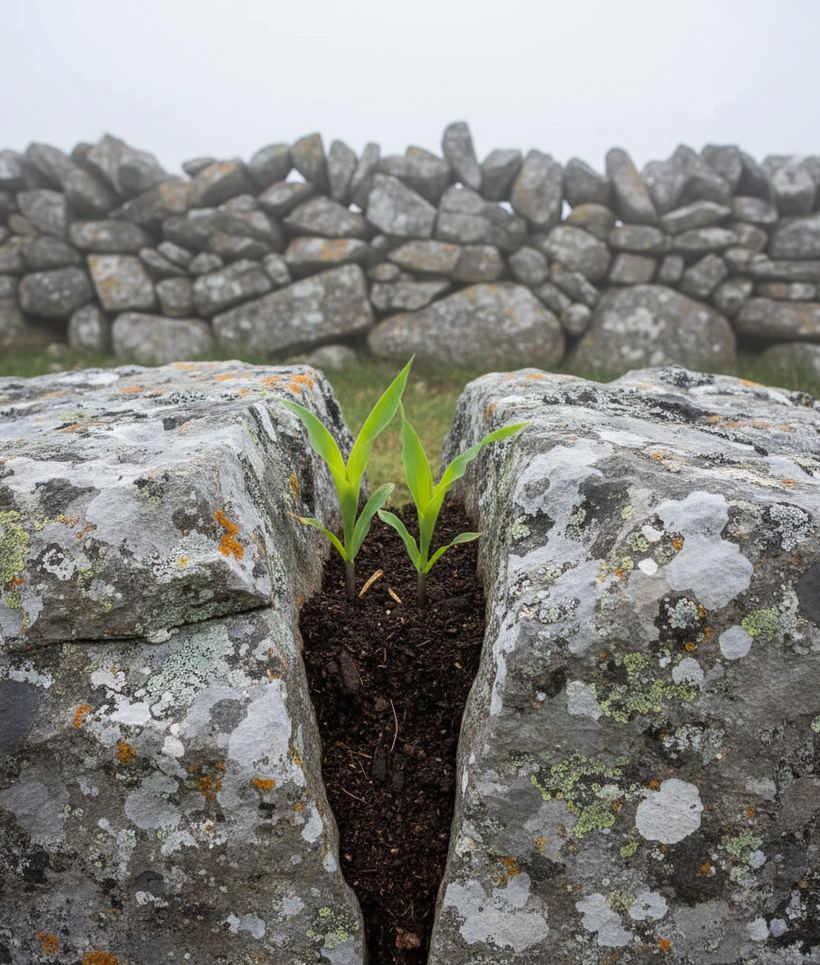
The Dong Van plateau is bare limestone over most of its area, and there is very little soil on it. What soil there is has usually been carried. Households collect it from hollows and low ground. They carry it up in baskets on their backs. Then they pack it into pockets between the rocks. A pocket may be no wider than a hat. Maize goes into it, one or two plants at a time.
Look closely at a slope and the pattern comes out: gray rock, small dark patches, a stalk in each, and dry stone walls built to stop the soil washing out in the first heavy rain of the season.
In late October and November the same ground carries buckwheat. It goes in after the maize, and the flowers turn whole hillsides pale pink. Some fields near the road now charge a small fee to walk in. That is a fair arrangement. The money is worth more to the household than the crop.
Where $2,410 else goes
This departure sits on the $2,410 rung, and it is not alone there. The office keeps every trip at that figure on one page so the number can be seen doing different work in different parts of the world. It does not rank them and will not tell you which is the better buy, because that is not a judgement a figure supports.
The same $2,410 somewhere else entirely
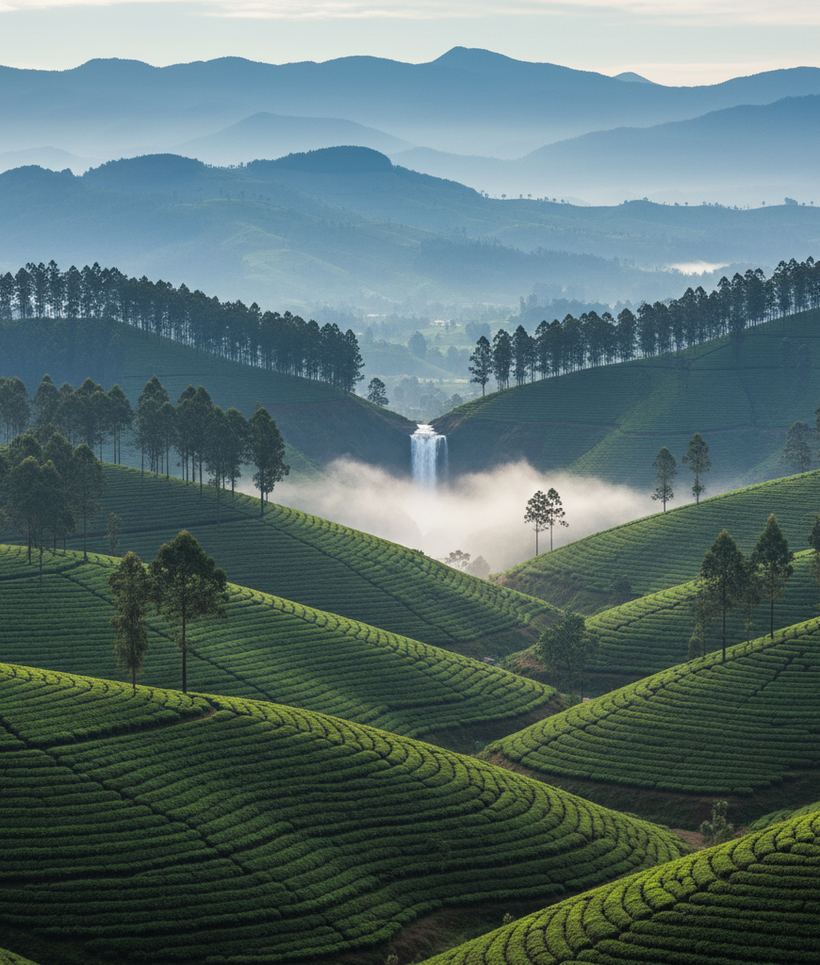
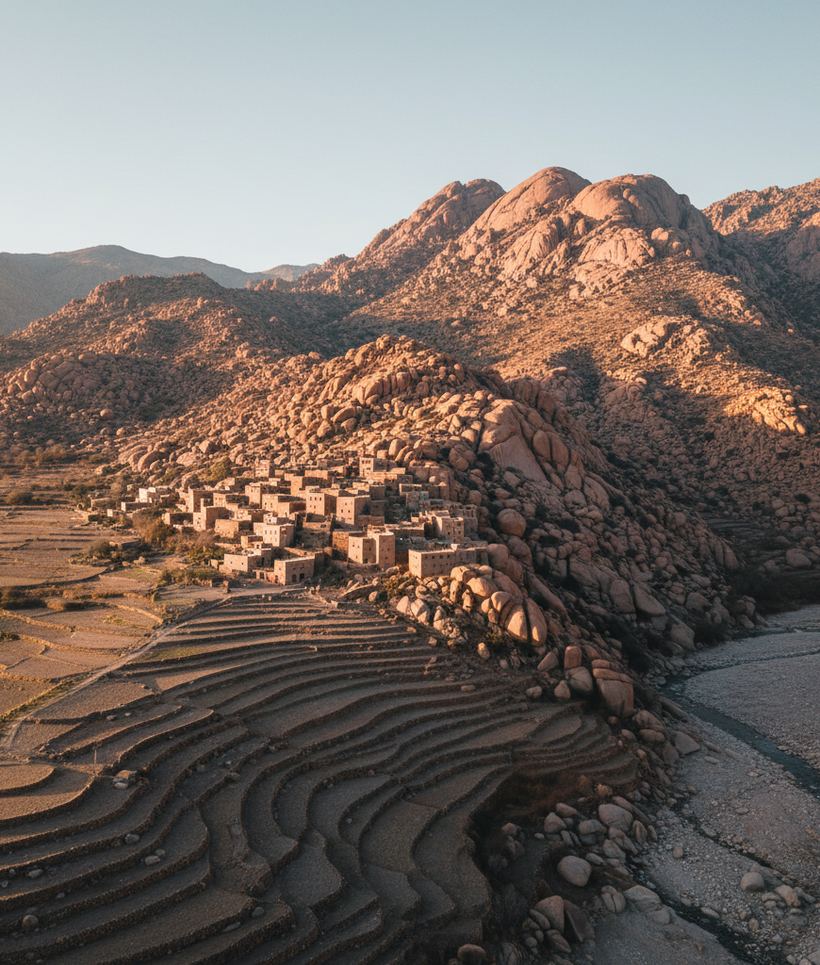
These 3 cost exactly what this one costs, and resemble it in nothing else. That is the point of filing a catalogue by figure. The office sets them out and leaves the choosing to you.

Start from the figure you actually have
Requests are taken every hour of every day. A person reads what this collects and writes back inside one business day. Money never changes hands here, and this office holds no card details of yours at any stage.
Orchard and Oar Bookings LLC
1401 E Broward Blvd, Suite 305Fort Lauderdale, FL 33301
+1 (954) 522-3140Calls run one way only: this office answers what reaches it and starts nothing of its own, by voice or by message.
reservations@orchardandoar.com
No opening times are posted. What is promised instead is the wait: a written request is answered inside one business day, and that is the undertaking the office will be held to.