Figures, dates and what the operator wants up front
- The figure
- from $1,960 per person
- Nights
- 12
- Season
- November to February
- At reservation
- 100 per cent at reservation
The operating company asks for the whole figure when the reservation is placed, so no balance falls due later.
Fixed departures
- 21 November to 3 December 2027
- 9 to 21 January 2028
- 13 to 25 February 2028
These are dates, not a range to slide around. A departure with no date attached is a different kind of contract altogether and this office does not write those.
Inside the figure
- Twelve nights in guesthouses and two village homestays, two sharing
- Breakfast every day and all evening meals in the villages
- A guide from the province throughout, and a second guide on hill days
- River services and road transfers named in the route
- All entry and community fees along the way
Left out
- Air travel to and from Laos, which this office does not arrange
- Lunches, drinks and laundry
- Travel insurance, which this office neither sells nor advises on
- Personal spending, and any fee charged on arrival in the country
Twelve nights, three stretches of one river
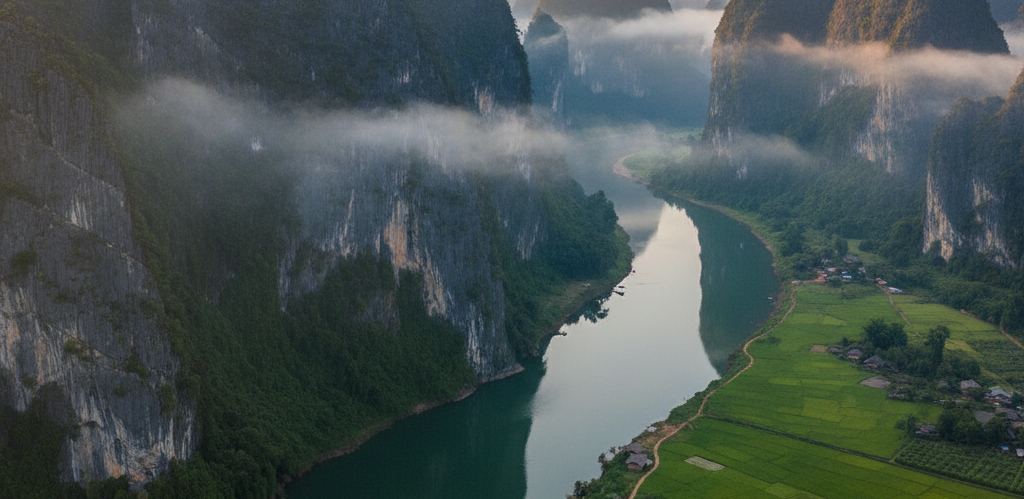
A walking trip in the Nam Ou valley is really three separate stretches, because the river is no longer one continuous run. It starts at Nong Khiaw. The road crosses there on a high bridge, and limestone walls stand almost vertically on both sides. From there the route goes upstream to Muang Ngoi, then by road around the middle section, then back onto the water for the run up to Muang Khua.
The last leg is north to Phongsali. It is high enough that mornings are genuinely cold. The ground is often under mist until nine. Three of the twelve nights are in villages reached on foot only, where the power comes from a small hydro unit and stops around ten.
Distances look short on a map and take a long time. Six kilometers of hill path between two villages can be a three hour job in December mud.
Karst that starts where the rice ends
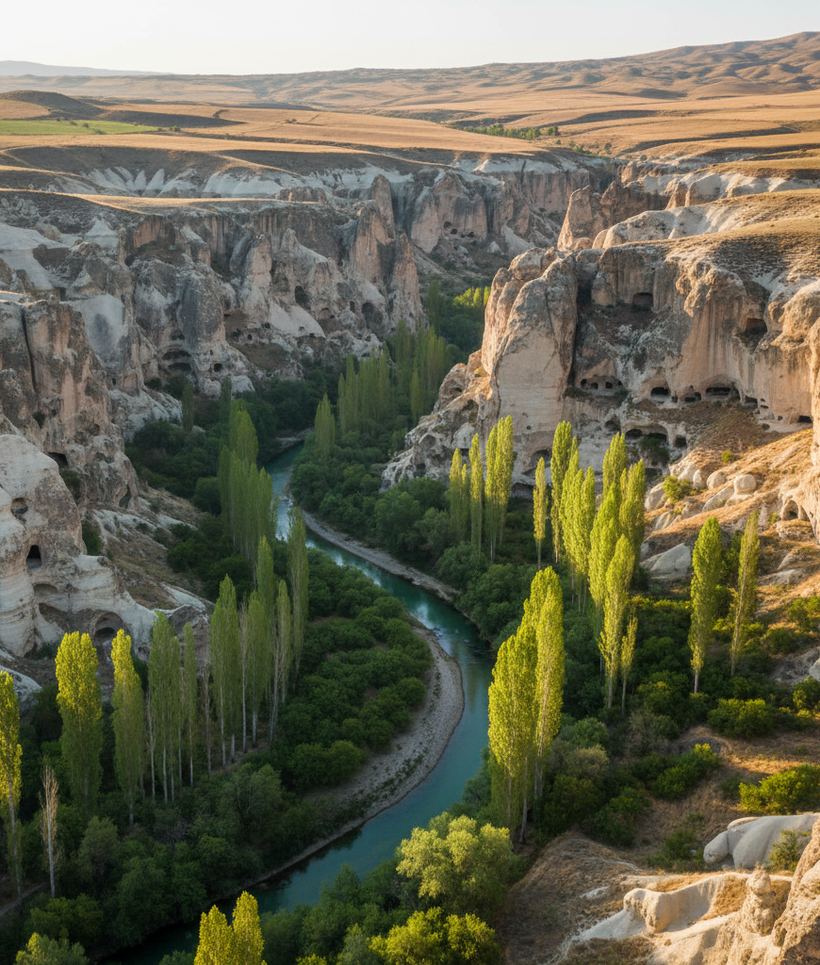
Around Nong Khiaw the flat ground is narrow. Rice fields run to the foot of the towers. Then the rock goes up several hundred meters, close to vertical. The gray limestone is streaked black where water runs down it. The towers are the eroded remains of a thick reef that was lifted and cut apart.
There is a climb to the Pha Daeng viewpoint above the town. It is about an hour and a half up, mostly on cut steps and tree roots, with fixed ropes on two sections. Go early; by nine the rock is hot and the haze is up.
The same limestone is full of holes. Caves a short walk from the town were used as shelters during the bombing between 1964 and 1973. A district administration and a field hospital worked inside them. The floors are still level where they were cut flat. It is a dark, plain, damp place and worth the twenty minutes.
Expect flat water where the rapids were
Seven dams were built on the Nam Ou between 2013 and 2021, and they changed the river completely. Long sections that used to run fast are now reservoirs: wide, still, and in places a good deal deeper than the old channel. Drowned trees stand in some of them. People used to make the whole journey from the Chinese border down to the Mekong in stages. That route no longer exists.
What this means in practice is transfers. Twice on this trip a road vehicle takes you around a dam, and you rejoin the water above or below it. Levels depend on releases. A stretch that ran on Tuesday can be too low on Friday. The operator keeps a road alternative for every water day.
If you have read older accounts of this valley, adjust them. The scenery is intact. The river in front of it is a different river.
Why is there steel in the garden fences?
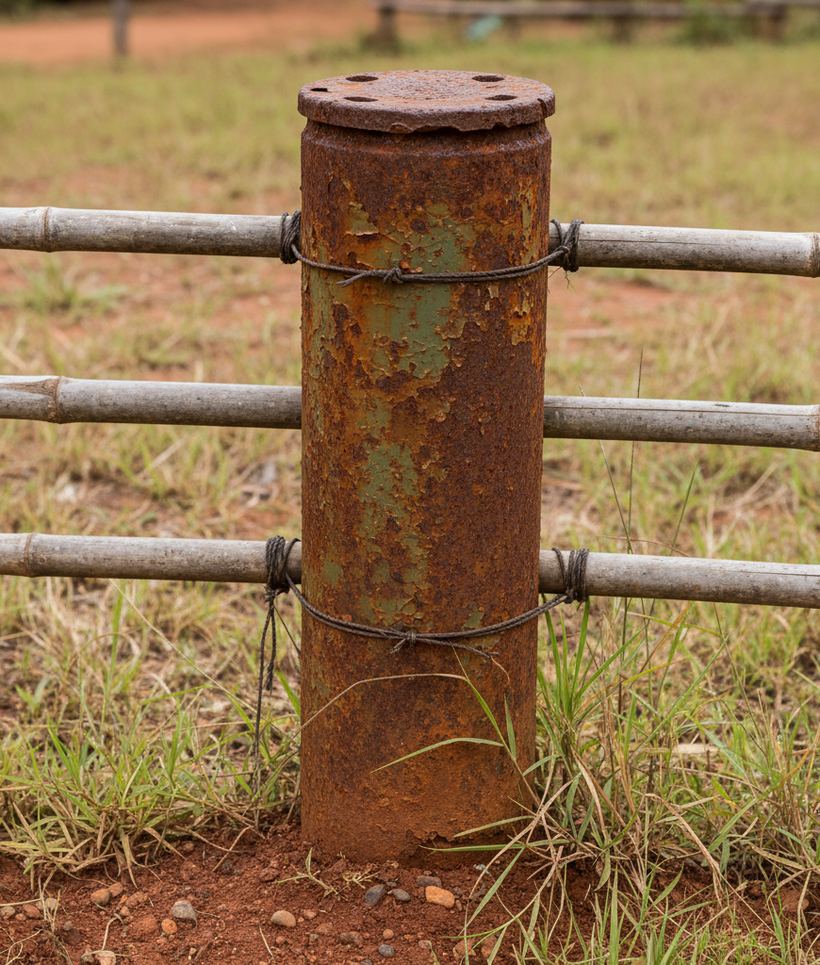
Walk through any village up here and you will see cylinders of corroded steel. They hold up fences and houses, and they hold soil and water. They are casings from the bombing, cut open, emptied and put to work. Northern Laos took an enormous quantity of ordnance between 1964 and 1973. The scrap has been part of village building ever since.
Some of what fell did not go off. Cluster submunitions are round, about the size of a tennis ball. Clearance teams are still working through this province district by district. The rule on this trip is simple and it is not negotiable. Stay on the path, do not walk into rough ground, and do not lift anything metal for any reason.
Guides here will tell you which ground has been cleared and which has not. They know, because clearance is recorded. Ask them. It is a normal question and they are used to it.
Where $1,960 else goes
This departure sits on the $1,960 rung, and it is not alone there. The office keeps every trip at that figure on one page so the number can be seen doing different work in different parts of the world. It does not rank them and will not tell you which is the better buy, because that is not a judgement a figure supports.
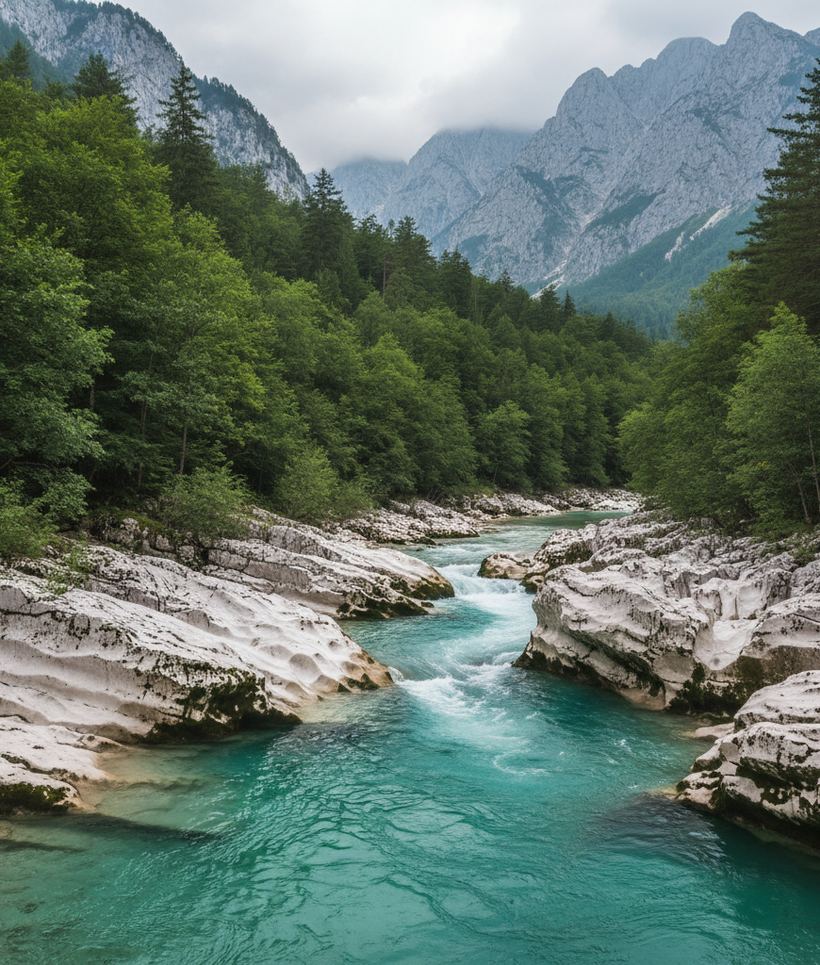
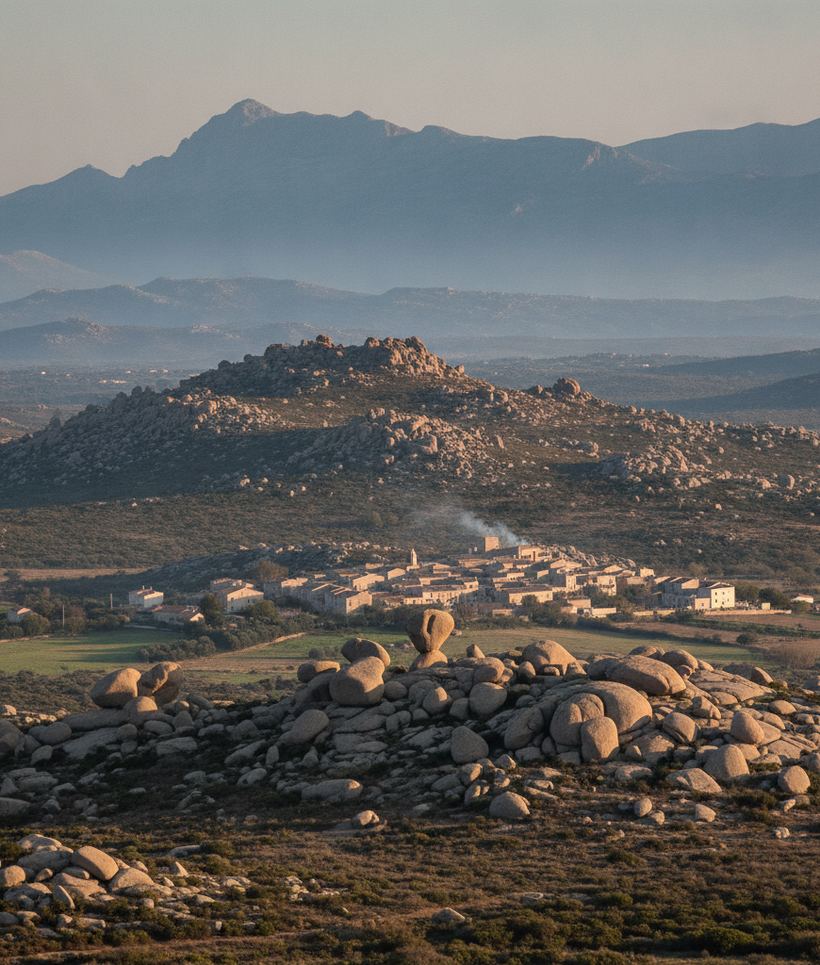
The same $1,960 somewhere else entirely
These 3 cost exactly what this one costs, and resemble it in nothing else. That is the point of filing a catalogue by figure. The office sets them out and leaves the choosing to you.
Start from the figure you actually have
Requests are taken every hour of every day. A person reads what this collects and writes back inside one business day. Money never changes hands here, and this office holds no card details of yours at any stage.
Orchard and Oar Bookings LLC
1401 E Broward Blvd, Suite 305Fort Lauderdale, FL 33301
+1 (954) 522-3140Calls run one way only: this office answers what reaches it and starts nothing of its own, by voice or by message.
reservations@orchardandoar.com
No opening times are posted. What is promised instead is the wait: a written request is answered inside one business day, and that is the undertaking the office will be held to.