Figures, dates and what the operator wants up front
- The figure
- from $3,420 per person
- Nights
- 10
- Season
- December to March
- At reservation
- 25 per cent at reservation
The operating company asks for twenty five percent of the figure when the reservation is made, and the remainder ninety days before departure.
Fixed departures
- 6 to 16 December 2027
- 17 to 27 January 2028
- 4 to 14 March 2028
These are dates, not a range to slide around. A departure with no date attached is a different kind of contract altogether and this office does not write those.
Inside the figure
- Ten nights in small hotels and island guesthouses, sharing a room
- Breakfast every day and five evening meals
- A guide from the island for seven of the eleven days
- Vehicle ferry crossings on the scheduled service, arranged by the operating company
- Entry to the listed churches and to the national park at Cucao
Left out
- Flights to Chile and the domestic leg south, none of it in the figure
- Lunches and drinks
- The small launch out to the penguin islets, when the sea allows it
- Laundry, tips and anything personal
Sixteen churches, built by people who built ships
The Jesuits reached the archipelago in 1608 and ran what they called the circular mission. A priest came once a year by sea, stayed a few days, and moved on. Each settlement kept its own chapel and looked after it. That is why these buildings are made the way local people made everything else.
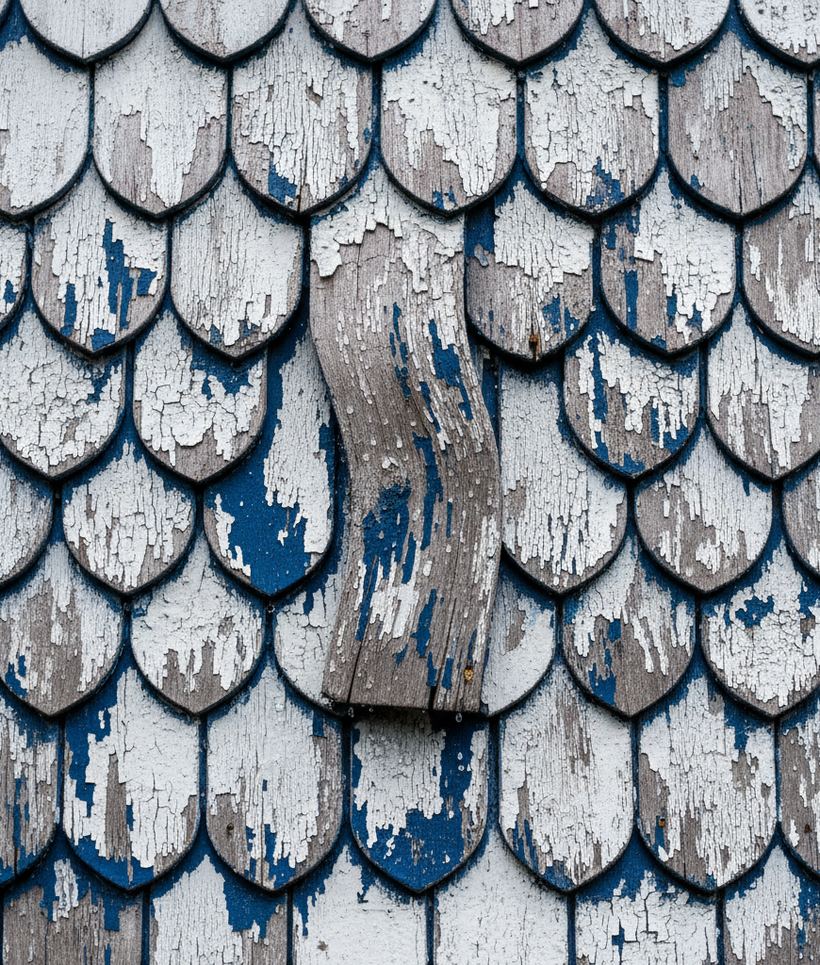
The builders were shipwrights. Look up inside and the ceiling is framed like a hull turned over, curved ribs and planking, no plaster. Walls and towers are clad in shingles cut by hand from alerce, a slow growing native softwood. They are laid in overlapping courses so that rain runs off. The oldest survivor, at Achao, dates from about 1730 and holds together largely with wooden pegs.
Sixteen were listed by UNESCO in 2000, out of roughly sixty in the same tradition. They are painted in flat strong colors and repainted often. Tenaun is blue and white with three towers across its front. Castro is yellow and violet, which people either like or do not.
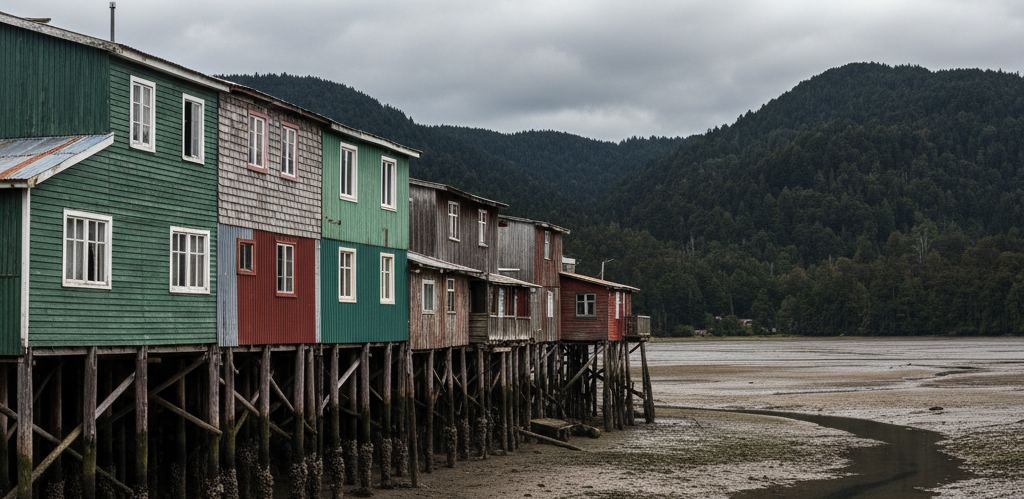
Castro sits on posts above the mud
Castro is built on an inlet, and part of it stands out over the water on posts. The palafitos are two and three stories high, clad in shingle or painted iron sheet. Their fronts sit on an ordinary street and their backs on stilts. Twice a day the water goes out and leaves the ground beneath them bare and brown.
The posts are local timber driven into that mud, and they need replacing on a cycle. You can usually find one house jacked up with new legs going in. The 1960 earthquake, magnitude 9.5, and the wave behind it took out a great many of these houses. Almost everything standing now is later than that.
They were poor housing and were treated as such for a long time. Several are guesthouses today, which has kept them upright and also changed what they are. Walk the far side of the inlet at low water to see the underside. That is the honest view of them.
How often does it actually rain in January?
About every second day. Castro records roughly two thousand millimeters a year. The summer months are its driest, which still leaves rain on ten to fifteen days in January. The wind comes off open ocean with nothing in front of it. Cucao, on the west side, is wetter again than Castro on the east.
Forecasts more than two days out are close to useless here. A morning of flat grey can turn clear by noon and be grey again by four. Waterproofs are not a precaution on this island, they are daily clothing. Boots matter more than anything else you pack.
The plan allows for it. The churches, the museum at Ancud and the covered market at Dalcahue all work in bad weather. The walking days at Cucao and Punta Pirulil are the ones that move. If a wet week would spoil the trip for you, this is not the island to choose.
Allow whole hours for the ferry and the gravel
The island is reached by a short crossing of the Chacao channel, about thirty minutes on the water. Waiting is the variable part. In January the vehicle line can run an hour or more each way. It runs through the night, because that is when freight moves. A bridge has been under construction across the channel for years, with its opening pushed back again and again.
Inside the island, distances read as small and are not. Ancud to Quellon is a little over two hundred kilometers, which with stops is most of a day. The road to Cucao and the national park is partly gravel, corrugated in dry spells and greasy in the wet. Achao needs a second short crossing, to Quinchao.
None of this is hard. It simply uses hours. The days here carry fewer items in them than you might expect from the map.
Where $3,420 else goes
This departure sits on the $3,420 rung, and it is not alone there. The office keeps every trip at that figure on one page so the number can be seen doing different work in different parts of the world. It does not rank them and will not tell you which is the better buy, because that is not a judgement a figure supports.
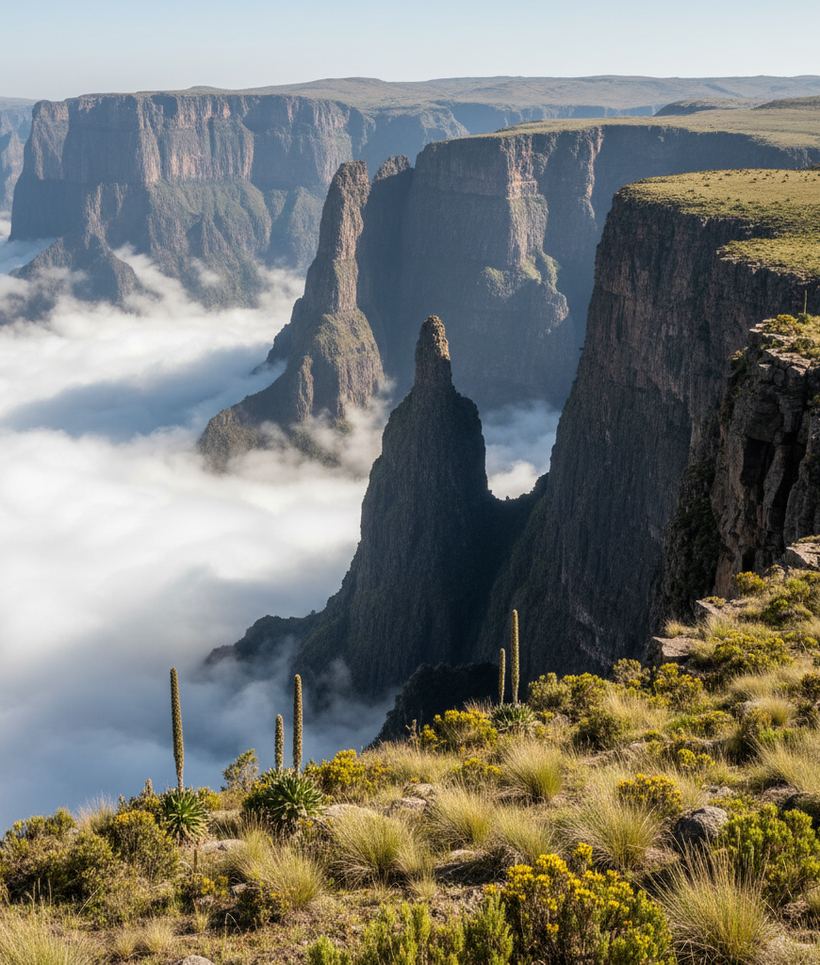
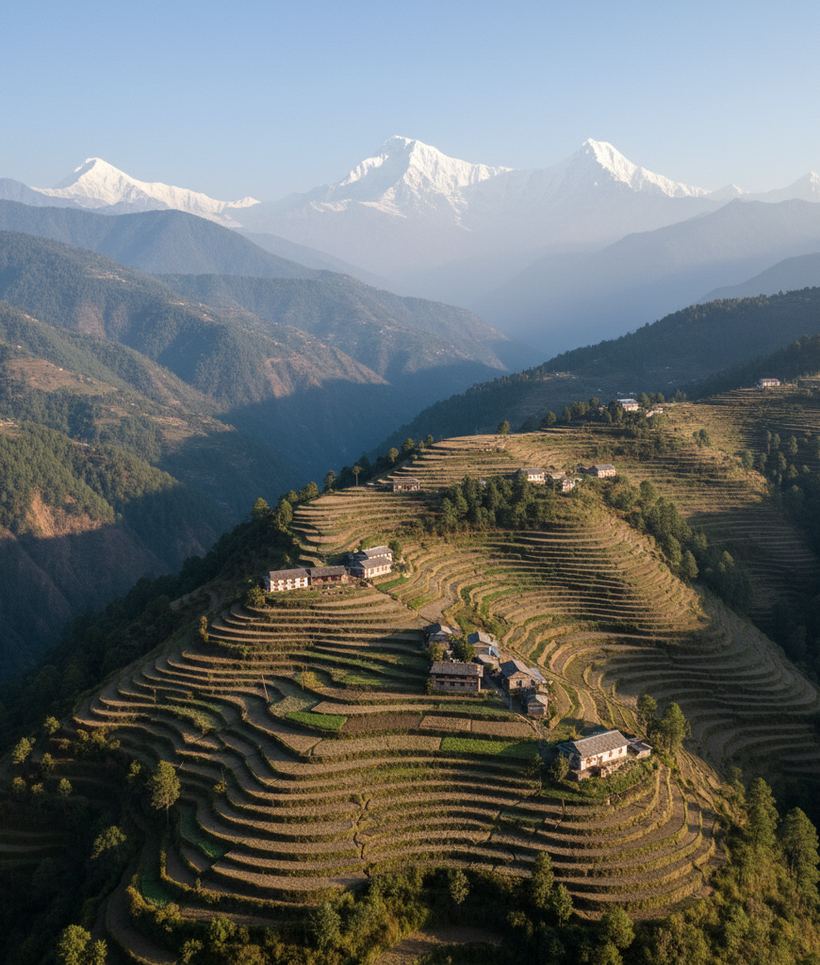
The same $3,420 somewhere else entirely
These 3 cost exactly what this one costs, and resemble it in nothing else. That is the point of filing a catalogue by figure. The office sets them out and leaves the choosing to you.
Start from the figure you actually have
Requests are taken every hour of every day. A person reads what this collects and writes back inside one business day. Money never changes hands here, and this office holds no card details of yours at any stage.
Orchard and Oar Bookings LLC
1401 E Broward Blvd, Suite 305Fort Lauderdale, FL 33301
+1 (954) 522-3140Calls run one way only: this office answers what reaches it and starts nothing of its own, by voice or by message.
reservations@orchardandoar.com
No opening times are posted. What is promised instead is the wait: a written request is answered inside one business day, and that is the undertaking the office will be held to.