Figures, dates and what the operator wants up front
- The figure
- from $1,485 per person
- Nights
- 8
- Season
- May to September
- At reservation
- 10 per cent at reservation
The operating company asks for 10 percent of the figure to confirm the reservation, with the balance due 45 days before departure.
Fixed departures
- 16 to 24 May 2027
- 4 to 12 July 2027
- 5 to 13 September 2027
These are dates, not a range to slide around. A departure with no date attached is a different kind of contract altogether and this office does not write those.
Inside the figure
- Eight nights in village guesthouses, two people sharing a room
- Breakfast every day and six cooked evening meals
- A vehicle and driver for the whole route
- Entry to all eight listed churches, with the key holders arranged ahead
- A guide from the Iza valley who works in Romanian and English
Left out
- Getting to Romania and home again, by any route
- Lunches and drinks
- The narrow gauge steam line up the Vaser valley, paid locally on the day
- Any insurance, which this desk neither sells nor comments on
Eight churches, one carpenter's grammar
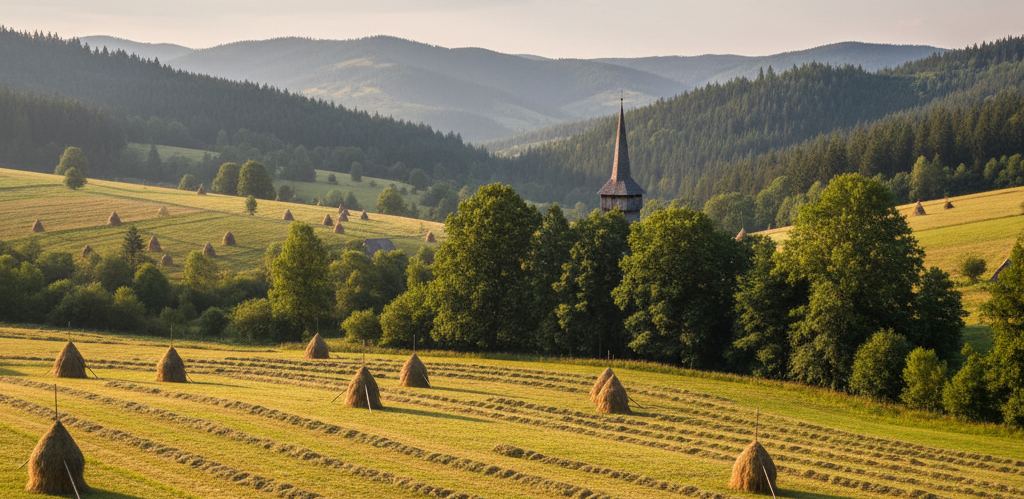
Eight wooden churches in Maramures went on the World Heritage list in 1999. They are not the only ones; the county holds close to a hundred wooden churches. These eight were picked as the clearest examples. Barsana, Budesti, Desesti, Ieud, Plopis, Poienile Izei, Rogoz and Surdesti.
They are built of squared oak or fir logs, notched at the corners, and most sit on stone or on oak sills. The plan is small, three rooms in a line, and the walls are low. Everything dramatic happens above them: a double pitched shingle skin, then a tower over the porch carrying a spire. At Surdesti the spire reaches about 54 meters, far taller than the church is long.
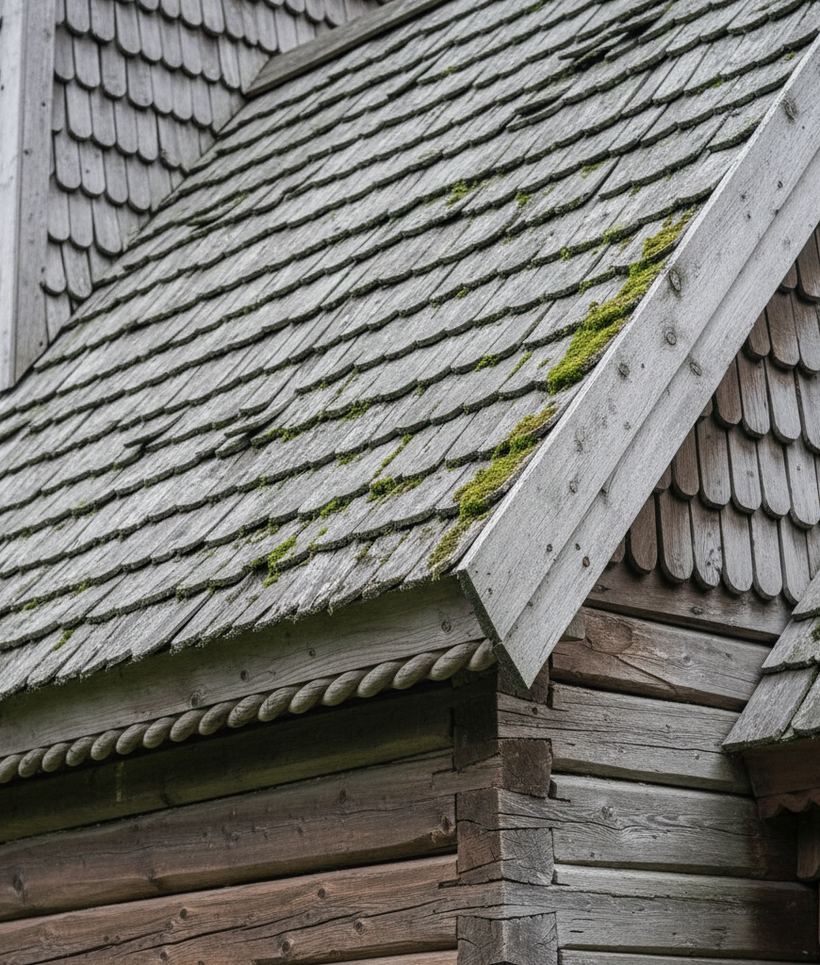
The shingles are split, not sawn, and they weather to silver gray. Look along the log walls for a carved twisted rope running the whole length. Look near the door for a cut sun disc. Both motifs are older than the churches that carry them.
Hay cut by hand, and why it still is
The meadows on the Iza and Mara valleys are mown with a scythe between mid June and late July. This is not a display for visitors. The plots are narrow and belong to many owners at once. Most sit on slopes where a machine would slide. One man cuts about a third of an acre in a morning.
The grass is turned, then built into a cone around a center pole. Each cone is five or six feet high, so that rain runs off. They stand in the fields for weeks. From the road a valley in July looks stitched.
Because the ground is cut late and never fertilized, the plant list is long. Surveys in Carpathian meadows of this kind have recorded more than fifty flowering species, in a plot the size of a small room. In May, before the cut, the same fields are mostly yellow and white and knee high. You walk through them rather than around.
Painted crosses at Sapanta
The cemetery at Sapanta holds about eight hundred oak crosses. Each is carved with a picture of what the dead person did for a living, and painted in one strong blue. A local carpenter began it in 1935, and the workshop he started has kept going since.
The pictures are literal. A driver at his wheel, a woman at her loom, a soldier, a man struck by a train. The verses under them are written in the first person, in the voice of the dead. A good number are blunt about drink, bad marriages and who was at fault. Nothing is softened for the family.
It is a small place and forty minutes covers it. On a July afternoon it is also full, and the noise sits badly against the object, so we go early. The church behind the cemetery is new wooden work from the 1990s, tall and unweathered; give it ten minutes.
By the fifth church you stop seeing them
Eight churches in eight days is more than most people can hold. By the fifth, the shingles, the low door and the smell of old wood run together. You catch yourself checking your phone. We break the week on purpose with two days that have no church in them at all.
The interiors are dark, and painted walls from the eighteenth century sit under two centuries of candle soot. The windows are about the size of a sheet of paper. The strongest painting is legible for a minute or so once your eyes adjust. Photographs of it come out badly almost every time.
Two practical points. Several churches are locked and someone in the village keeps the key. We arrange that ahead, and it can still cost half an hour standing at a gate. Afternoon thunderstorms are ordinary from June onward. The lanes are narrow, and nothing on this route happens quickly.
Where $1,485 else goes
This departure sits on the $1,485 rung, and it is not alone there. The office keeps every trip at that figure on one page so the number can be seen doing different work in different parts of the world. It does not rank them and will not tell you which is the better buy, because that is not a judgement a figure supports.
The same $1,485 somewhere else entirely
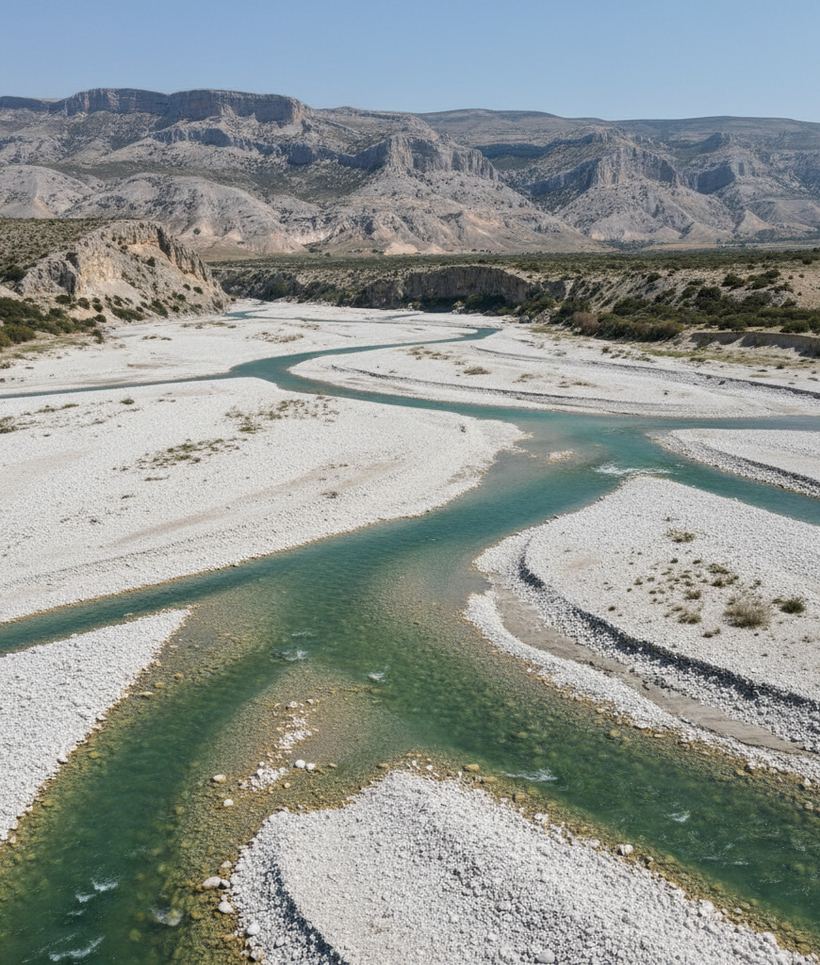
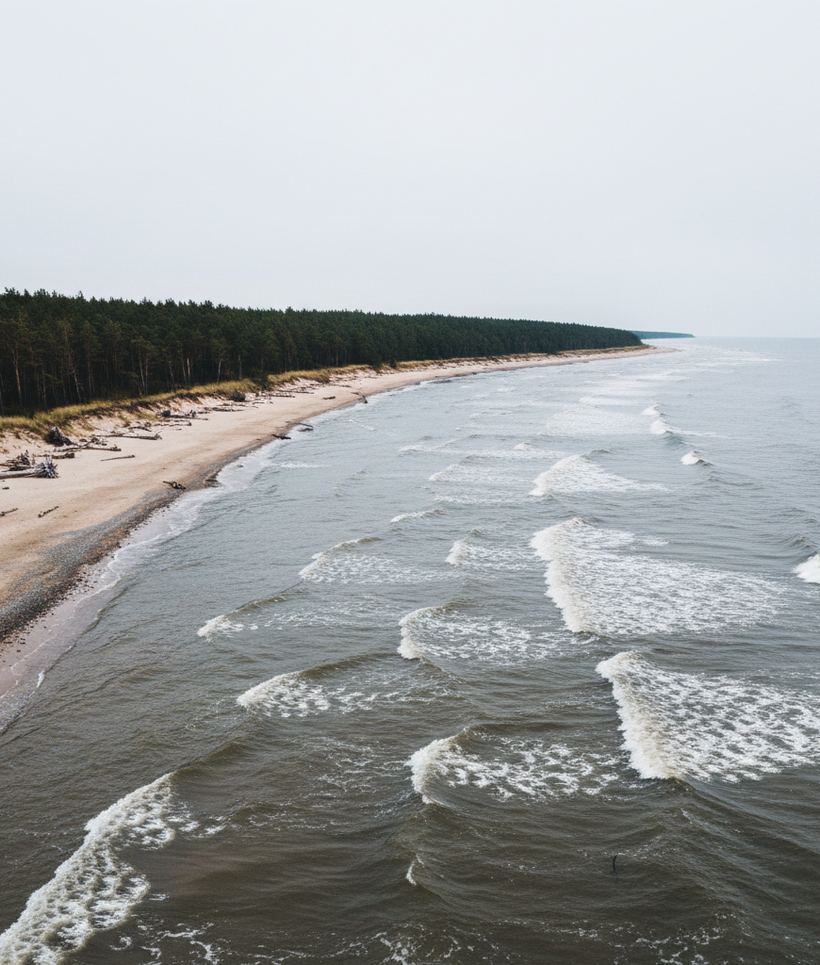
These 3 cost exactly what this one costs, and resemble it in nothing else. That is the point of filing a catalogue by figure. The office sets them out and leaves the choosing to you.
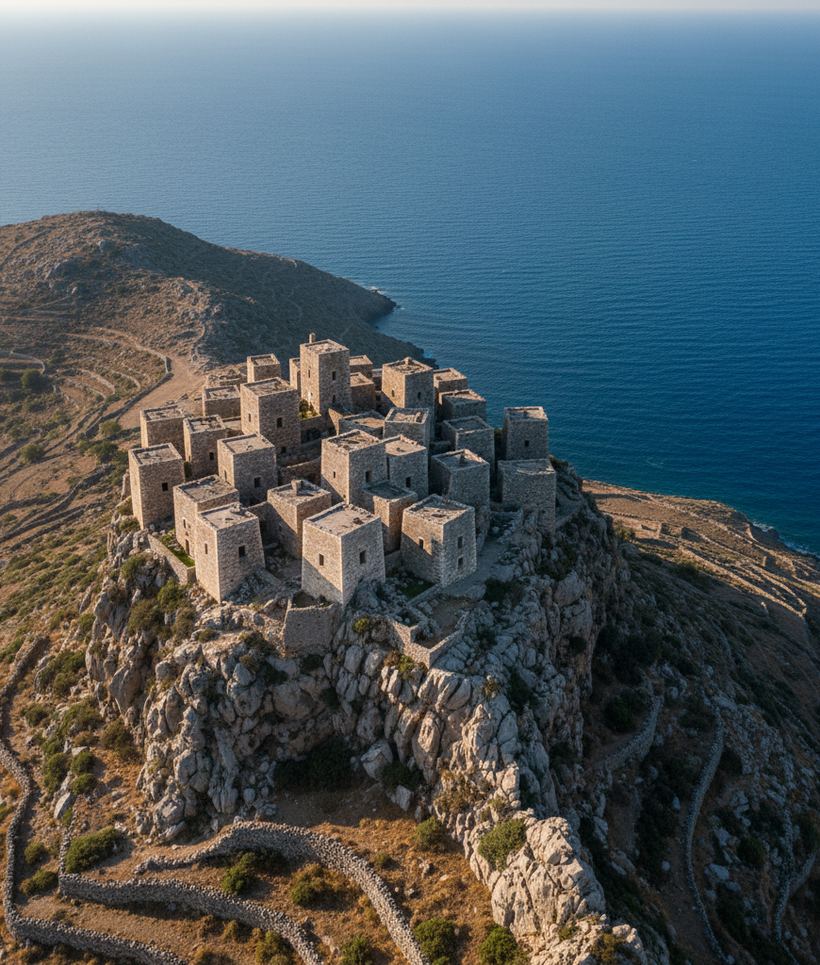
Start from the figure you actually have
Requests are taken every hour of every day. A person reads what this collects and writes back inside one business day. Money never changes hands here, and this office holds no card details of yours at any stage.
Orchard and Oar Bookings LLC
1401 E Broward Blvd, Suite 305Fort Lauderdale, FL 33301
+1 (954) 522-3140Calls run one way only: this office answers what reaches it and starts nothing of its own, by voice or by message.
reservations@orchardandoar.com
No opening times are posted. What is promised instead is the wait: a written request is answered inside one business day, and that is the undertaking the office will be held to.