Figures, dates and what the operator wants up front
- The figure
- from $5,260 per person
- Nights
- 9
- Season
- late June to August, then late August for colour
- At reservation
- 100 per cent at reservation
The operating company asks for the whole figure at the time of reservation, so no balance falls due later.
Fixed departures
- 26 June to 5 July 2027
- 24 July to 2 August 2027
- 21 to 30 August 2027
These are dates, not a range to slide around. A departure with no date attached is a different kind of contract altogether and this office does not write those.
Inside the figure
- Nine nights of lodging, three of them in road houses with shared washrooms
- The vehicle, its fuel, and two mounted spare tires
- Both river ferries, which carry no charge of their own
- A guide who drives the whole route and does the tire work
- The run out to the Arctic coast beyond Inuvik
Left out
- Flights to Whitehorse or Dawson City; getting to Canada is not in the figure
- Meals, which are bought at the few places the road offers
- Any extra night caused by a ferry stoppage or high water
- Insurance of any kind, which this desk neither sells nor comments on
Four hundred and fifty seven miles of gravel
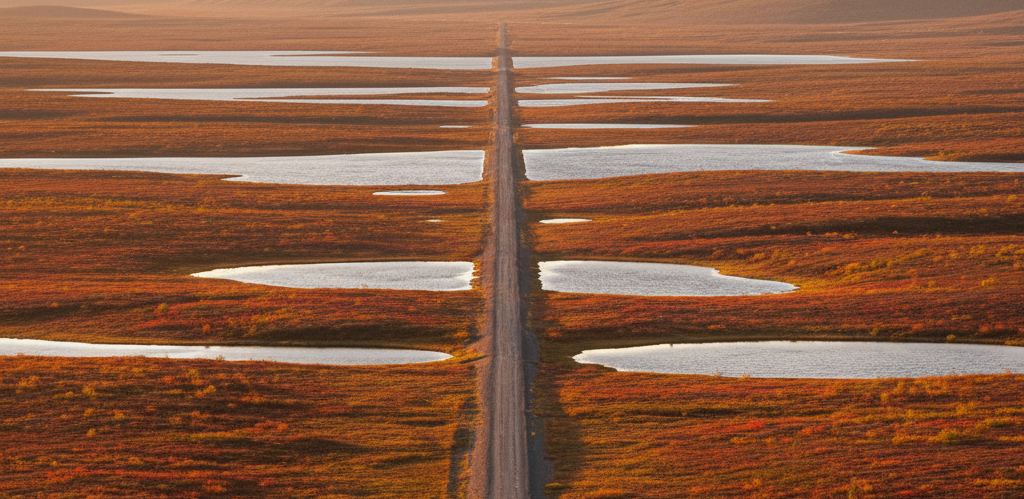
The road leaves the pavement forty kilometres east of Dawson City and runs four hundred and fifty seven miles north to Inuvik. None of it is sealed. It is built on a pad of gravel between four and eight feet thick, laid there to keep the permafrost underneath from thawing, so the road sits above the ground it crosses and you can watch it run ahead for miles.
Much of the surface is crushed shale. Shale slices sidewalls rather than punctures treads, which is why two mounted spares are standard here and one is not considered enough.
There is a single fuel stop, roughly halfway. Before it lie two hundred and thirty miles with nothing at all, and after it another hundred and thirteen to the first settlement. Nine nights covers the run north, the coast beyond Inuvik, and the whole way back down the same gravel, because there is no other way out.
Two rivers with no bridge
Two rivers cross the road and neither one has a bridge. At mile three hundred and thirty five a ferry takes vehicles over the first, and forty three miles on, another crosses the second. Both are free, both are small, and both run only in open water, roughly the middle of June to the middle of October.
In deep winter the same crossings are made on ice. Twice a year, in between, several weeks pass when the ice will not hold a vehicle and no ferry can push through it, and the road simply stops at the water. That period falls outside these departures. Wind and high water do not, and either can shut a crossing for half a day.
The correct response is to wait. There is nowhere else to be, the crews read the river better than anyone standing on the ramp, and the schedule carries enough slack to absorb one lost crossing.
Tundra turns red in the last week of August
From late May until the third week of July the sun does not set at Inuvik, and there is no darkness at all in that stretch. It makes for long days, short nights of sleep, and nothing in the sky but sun and cloud.
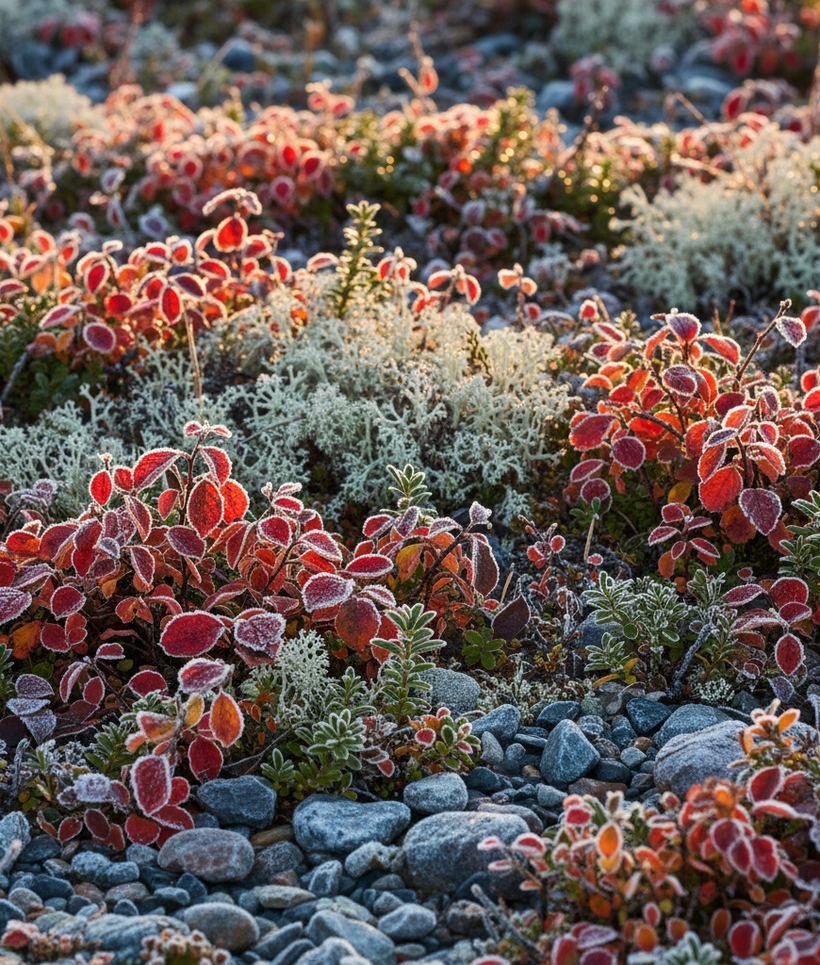
By the third week of August the ground has turned. Dwarf birch goes scarlet first, then bearberry to a deeper red, then blueberry leaves to something close to burgundy, so from a distance the tundra reads as one solid colour rather than as separate plants. Pale grey lichen stays underneath it, and that contrast is the whole picture.
Frost comes most nights by then and sits on the low leaves until about nine in the morning. Darkness returns at the same time, which puts the northern lights back within reach on the last departure of the season. Nobody will promise you a display, and any office that does is guessing.
Count on two spare tires and no signal
Rain changes this road inside an hour. Calcium chloride holds the dust down, and wet, it goes slick in a way plain gravel does not. Vehicles leave the road every season. Speeds drop to twenty five miles an hour and stay there for the rest of the day.
Cell service exists at three points across four hundred and fifty seven miles. Between them there is none, and a satellite messenger in the vehicle is the entire communication plan.
Then there is the middle. North of the mountains the road runs a long way through low willow and open ground that does not change much for hours, and people who expected scenery for every one of those miles find that stretch long. Mosquitoes on the delta in early July are as bad as their reputation. Head nets are worth carrying and are not a joke.
Where $5,260 else goes
This departure sits on the $5,260 rung, and it is not alone there. The office keeps every trip at that figure on one page so the number can be seen doing different work in different parts of the world. It does not rank them and will not tell you which is the better buy, because that is not a judgement a figure supports.
The same $5,260 somewhere else entirely
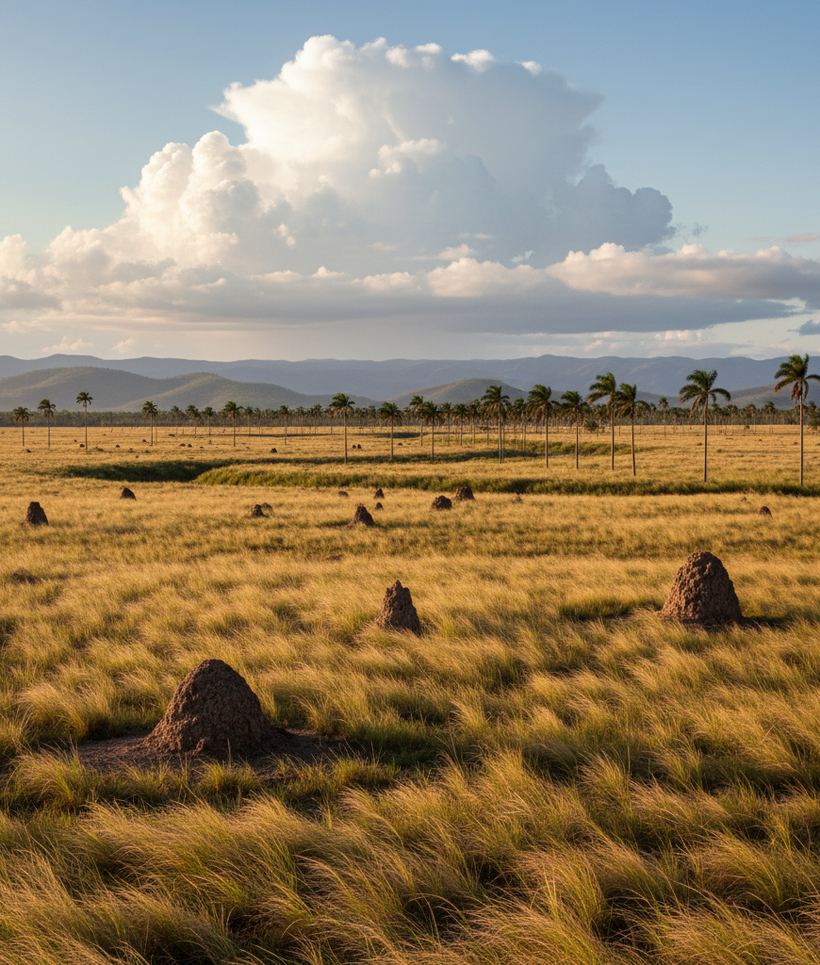
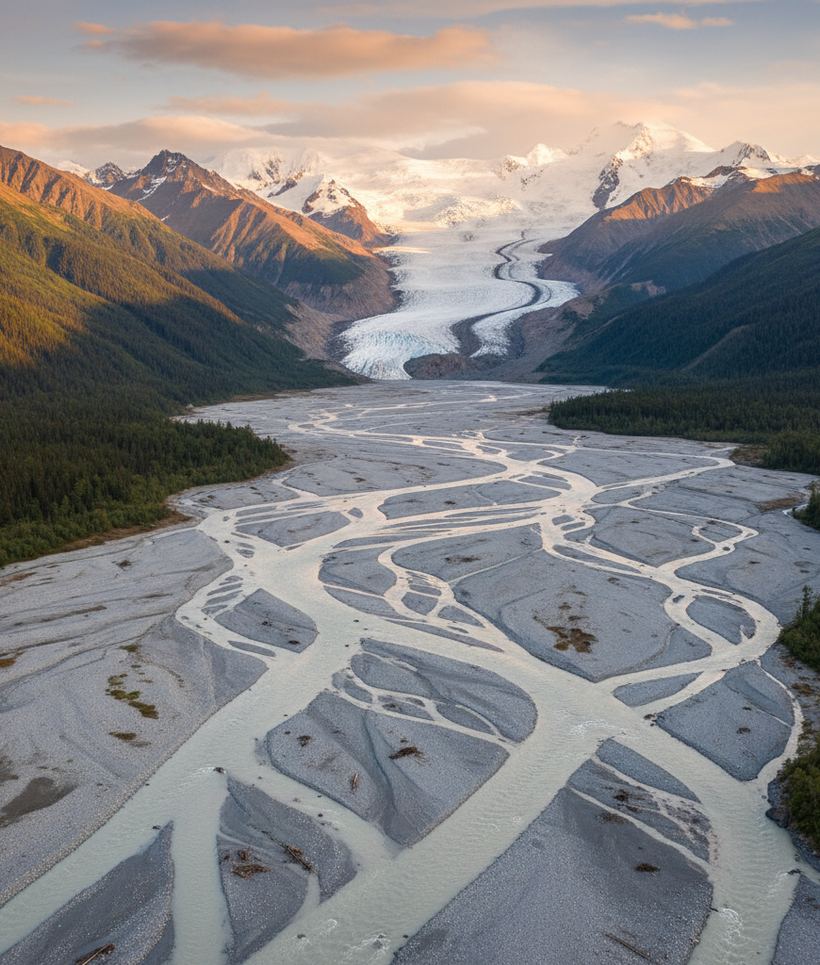
These 2 cost exactly what this one costs, and resemble it in nothing else. That is the point of filing a catalogue by figure. The office sets them out and leaves the choosing to you.
Start from the figure you actually have
Requests are taken every hour of every day. A person reads what this collects and writes back inside one business day. Money never changes hands here, and this office holds no card details of yours at any stage.
Orchard and Oar Bookings LLC
1401 E Broward Blvd, Suite 305Fort Lauderdale, FL 33301
+1 (954) 522-3140Calls run one way only: this office answers what reaches it and starts nothing of its own, by voice or by message.
reservations@orchardandoar.com
No opening times are posted. What is promised instead is the wait: a written request is answered inside one business day, and that is the undertaking the office will be held to.