Figures, dates and what the operator wants up front
- The figure
- from $5,260 per person
- Nights
- 10
- Season
- September to April
- At reservation
- 25 per cent at reservation
The operating company asks for twenty five percent of the figure, $1,315 per person, when the reservation is confirmed, and the balance ninety days before departure.
Fixed departures
- 3 to 13 November 2026
- 22 January to 1 February 2027
- 12 to 22 March 2027
These are dates, not a range to slide around. A departure with no date attached is a different kind of contract altogether and this office does not write those.
Inside the figure
- Ten nights at working ranches and a community guest house, two sharing a room
- All ground transport inside the Rupununi, with a driver
- River trips with a local boatman on the days the itinerary lists
- Macushi and Wapishana guides throughout
- All meals at the ranches, and drinking water
Left out
- International flights to and from Guyana; reaching the country is not covered by the figure
- Travel between the coast and the Rupununi, which the operating company quotes separately
- Visas and travel insurance, which the traveller arranges independently
- Alcohol, tips and laundry
Grass, forest and the line between them
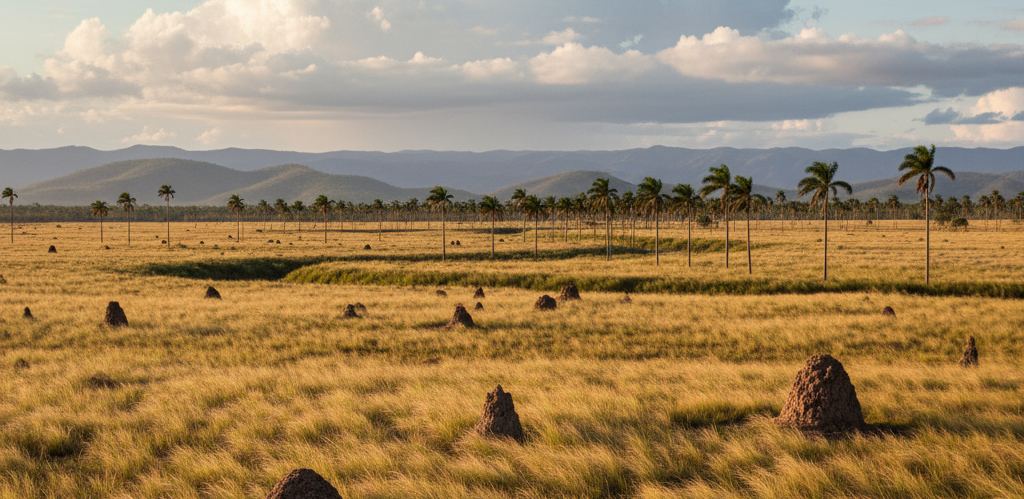
A guided savannah trip in the Rupununi puts you on a floor of grass that runs for a hundred and fifty kilometres, with rainforest along its northern edge and the Kanuku hills across the south. The two systems meet without much of a gradient. You can stand with dry grass at your feet and closed canopy fifty metres away.
That edge is why the wildlife counts here are high. The Kanukus alone hold a large share of the mammal species recorded in the country, and the grass supports animals the forest does not: giant anteater, savannah fox, burrowing owl.
The Rupununi river cuts through all of it. In the rains it spreads until the northern and southern ground joins under one sheet of water, which is how fish move between two river systems that are otherwise separate. By September the level has dropped and the channel is back inside its banks.
Mornings start before the heat does
Vehicles leave in the dark and are out on the grass at first light. That is when the giant anteater is still moving, head down, working termite mounds before the ground heats up. By nine the animals are in shade and so is everyone else.
The middle of the day is long. Most days have a gap of four or five hours built into them, spent in a hammock under a roof, which is the local solution and a good one.
Late afternoon goes to the river. A wooden canoe with an outboard runs the channels quietly, and the light is on the banks rather than in your eyes. Black caiman lie in the shallows, some of them over four metres. Giant otters travel as a family, loudly, and do not care that you are there. Arapaima come up to breathe with a sound like a door closing, then are gone.
Count on the river, not on the animals
Nothing here is fed, fenced or baited, so nothing is on offer at a fixed hour. Giant anteaters are seen on most trips but not on most mornings. Harpy eagles are seen a few times a season, at a known nest if there is an active one, and there is no promise of a bird.
The flies are real. On the river banks in the dry months the small biting flies people call kabouri come in numbers, mostly in daylight, and they get through thin fabric. Long sleeves and repellent are not optional.
It is also hot. Afternoon temperatures in the high thirties are ordinary and there is very little shade on the grass. The roads are laterite and sand, single track for much of the way, and a two hour transfer can become four after rain. If a vehicle stops, the fix happens where it stopped. That is what being somewhere with almost nobody else in it costs.
How the ranches actually work
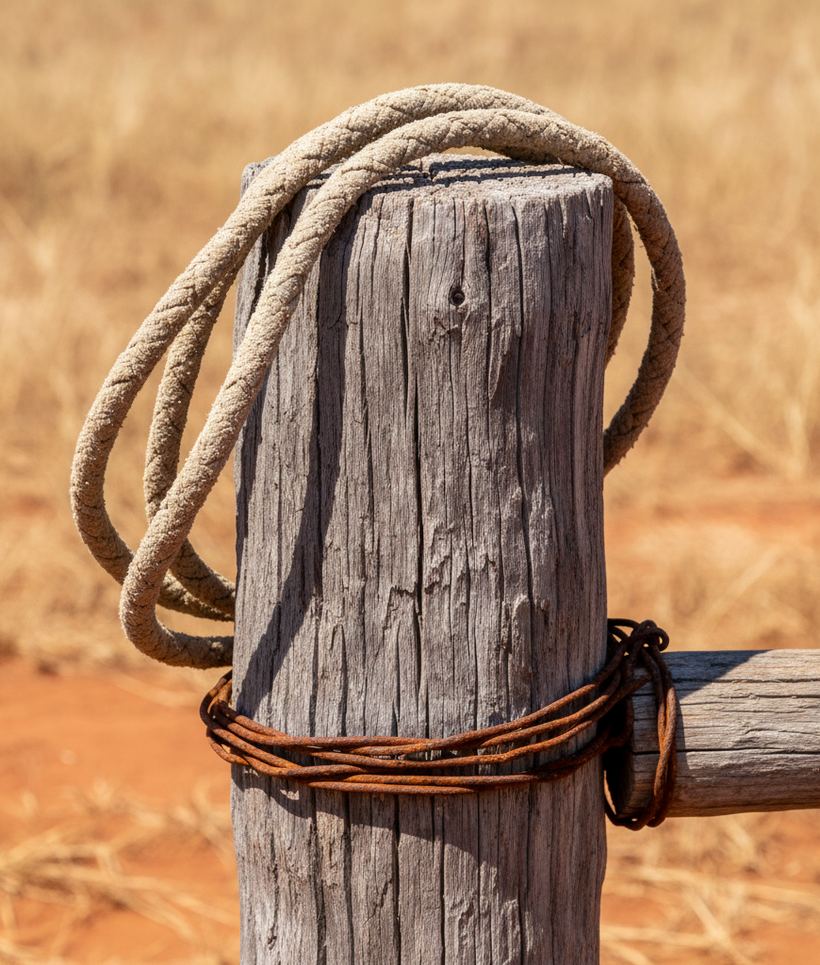
Cattle came to the Rupununi in the 1890s, and the ranches that remain are family concerns, run with very few people over very large areas. There are almost no fences. Cattle are found on horseback, moved on horseback, and worked in corrals of hardwood posts that were cut and set by hand.
Most of the stockmen are Macushi or Wapishana, and much of the gear is made on the ranch: plaited rawhide rope, saddles repaired rather than replaced, salt put out to bring animals in.
Beef pays badly and the distances to any market are enormous, so most of these places now take a small number of guests. That is why you can stay on them. It also means the day bends around the work. If cattle need moving on the morning you were going to the hills, the hills wait, and you are welcome to come and watch it from the fence.
Where $5,260 else goes
This departure sits on the $5,260 rung, and it is not alone there. The office keeps every trip at that figure on one page so the number can be seen doing different work in different parts of the world. It does not rank them and will not tell you which is the better buy, because that is not a judgement a figure supports.
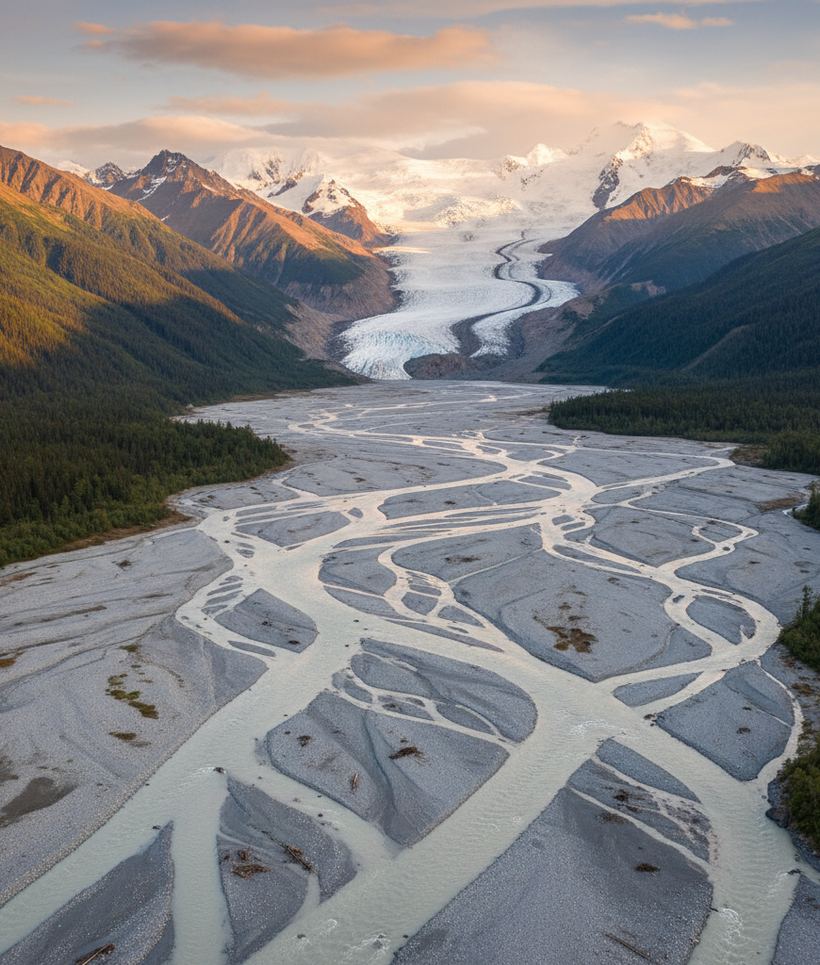
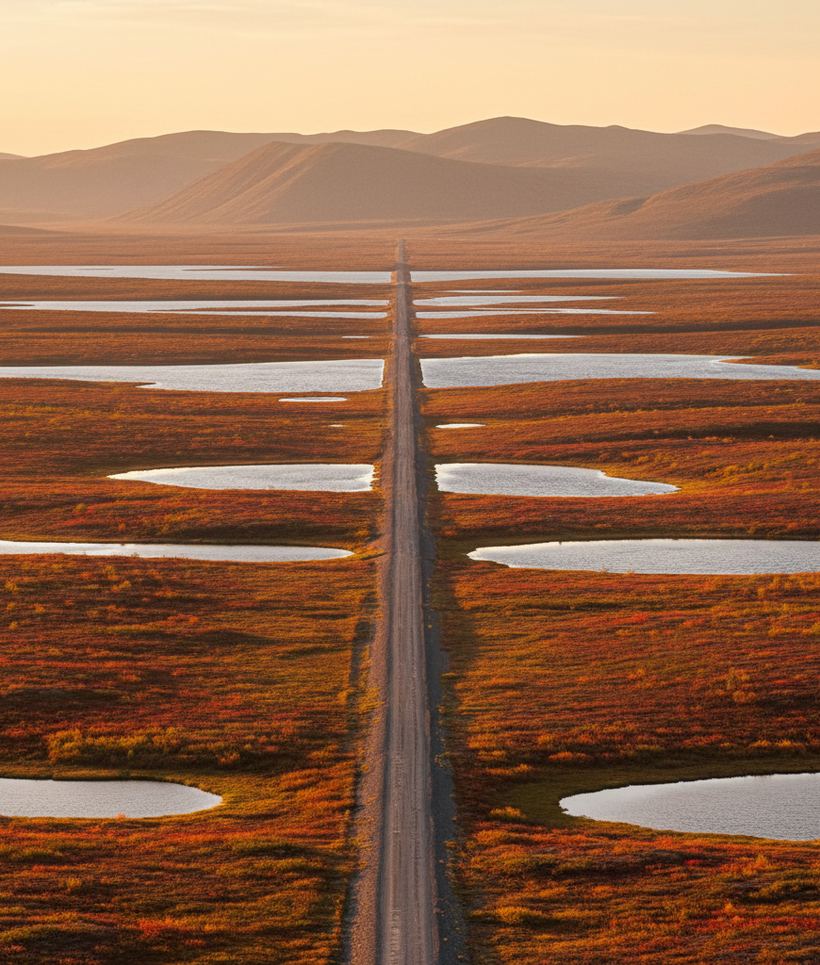
The same $5,260 somewhere else entirely
These 2 cost exactly what this one costs, and resemble it in nothing else. That is the point of filing a catalogue by figure. The office sets them out and leaves the choosing to you.
Start from the figure you actually have
Requests are taken every hour of every day. A person reads what this collects and writes back inside one business day. Money never changes hands here, and this office holds no card details of yours at any stage.
Orchard and Oar Bookings LLC
1401 E Broward Blvd, Suite 305Fort Lauderdale, FL 33301
+1 (954) 522-3140Calls run one way only: this office answers what reaches it and starts nothing of its own, by voice or by message.
reservations@orchardandoar.com
No opening times are posted. What is promised instead is the wait: a written request is answered inside one business day, and that is the undertaking the office will be held to.